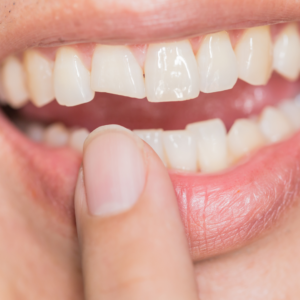
Most of us think of gum care as something that starts and ends with brushing, flossing, and the occasional dental check-up. Yet our gums tell a far richer story — one that reaches far beyond our mouths. In recent years, growing research has revealed a remarkable link between gum health and wider wellbeing, connecting inflammation in the mouth with conditions affecting the heart, metabolism, and even mental health.
At Talbot Dental, we’ve seen first-hand how subtle changes in the gums can act as early warning signs for deeper issues — often long before symptoms appear elsewhere. In this blog, we explore what your gums can reveal about your overall health, why these connections matter, and simple steps you can take to strengthen both your oral health and your body as a whole.
By the end, you’ll understand how gum health fits into the bigger picture of wellbeing, the habits that help prevent problems, and when it’s time to seek support.

The Connection Between Gum Health and the Body
Inflammation: The Starting Point
When gums are swollen, tender, or bleed easily, it’s usually a sign of inflammation. What’s important to understand is that gum inflammation rarely stays contained. If left untreated, the bacteria responsible for gum disease can enter the bloodstream and trigger inflammation throughout the body.
Research has linked gum disease to:
– Cardiovascular conditions
– Diabetes
– Respiratory infections
– Autoimmune conditions
– Pregnancy complications
While gum disease isn’t the sole cause, it may worsen these conditions or increase risk levels.
How the Mouth Acts as an Early Warning System
Your gums often show signs of health issues before other parts of the body. For example:
– Persistent bleeding may signal systemic inflammation or vitamin deficiencies.
– Receding gums can be linked with hormonal changes or autoimmune conditions.
– Dryness or soreness may relate to medication changes or underlying health issues.
This is why regular dental visits are so valuable — we can spot these patterns early and guide you appropriately.

How Gum Health Relates to Heart Health
It may seem surprising that two such different parts of the body are connected, but the mouth–heart link is well-established. Gum disease can increase inflammation, which is a known factor in heart conditions. Bacteria entering the bloodstream can contribute to plaque build-up in the arteries, potentially influencing long-term cardiovascular health.
Key Signs to Watch For
– Gums that bleed when brushing
– Persistent bad breath
– Redness or swelling around the gum line
Tackling these symptoms early supports both oral health and wider wellbeing.

Gum Health and Diabetes: A Two-Way Relationship
Diabetes and gum disease influence each other. High blood sugar can weaken gum tissue and make infections more likely. At the same time, gum disease can make it harder to control blood sugar, creating a cycle that becomes increasingly difficult to manage without intervention.
For those managing diabetes, consistent gum care can help:
– Reduce inflammation
– Lower the risk of infection
– Support blood sugar stability
This is why we encourage more frequent dental visits for patients with diabetes — early intervention makes a considerable difference.

Stress, Lifestyle, and the Unexpected Impact on Gums
Oral health is influenced by more than brushing habits. Stress, sleep, nutrition, and everyday routines all have a role to play.
How lifestyle affects gum health:
– Stress can lower the immune response, making gums more prone to infection.
– Poor sleep can disrupt the body’s ability to repair tissues.
– A diet lacking in essential nutrients can weaken gum tissue.
– Smoking significantly increases the risk of gum disease.
Understanding these connections can help you make small shifts that have a lasting impact.

Simple Daily Habits That Strengthen Gum Health
Strengthening your gum health doesn’t require dramatic changes. Practical, consistent steps make the biggest difference over time.
Try incorporating the following habits into your routine:
– Brush twice daily with gentle, circular movements.
– Floss once a day or use interdental brushes.
– Replace your toothbrush every 2–3 months.
– Rinse with an alcohol-free mouthwash if recommended.
– Drink plenty of water to support saliva production.
– Choose a balanced diet rich in whole foods.
These habits support not just your mouth, but your general wellbeing too.

When to Seek Professional Support
While good home care is essential, gum health sometimes requires specialist attention — especially if symptoms persist. If you notice ongoing bleeding, soreness, recession, or persistent bad breath, it’s important to book an appointment. We can assess what’s happening beneath the surface and guide you with tailored treatment.
For more detailed guidance, feel free to explore our other articles on topics like preventive care and maintaining oral health between visits (internal link opportunities).
External reference sources from trusted organisations such as the NHS or British Dental Association can also offer further reading.
Conclusion
Our gums do far more than anchor our teeth — they offer valuable insight into what’s happening in the rest of the body. Understanding the link between gum health and overall wellbeing gives you the tools to take proactive steps towards a healthier life.
By focusing on daily habits, staying aware of subtle changes, and seeking support when needed, you can protect both your oral health and your long-term wellbeing. Find out more about gum disease at NHS.
If you’d like advice tailored to your needs or want to book your next appointment, we’re here to help. Contact us HERE