When we think about stress and lack of sleep, we often focus on their effects on our mood, energy levels or overall wellbeing. What many people don’t realise is that these everyday challenges can also have a significant impact on oral health.
Stress and poor sleep have been linked to problems such as teeth grinding, jaw pain, headaches, gum disease and even an increased risk of tooth decay. Because these issues often develop gradually, many people don’t realise that their lifestyle could be contributing to problems with their teeth.
At Talbot Dental, we regularly see patients experiencing symptoms that have their roots in stress or disrupted sleep. In this article, we explore how these factors affect your oral health, the signs to watch out for and how simple changes can help protect your smile.

Teeth Grinding: A Common Sign of Stress
One of the most common ways stress affects oral health is through teeth grinding, also known as bruxism.
Many people grind or clench their teeth while they sleep without even realising it. Others may clench their jaw during the day, particularly when concentrating or feeling anxious.
Common signs of teeth grinding include:
- Waking up with headaches
- Jaw pain or stiffness
- Facial tension
- Tooth sensitivity
- Worn or flattened teeth
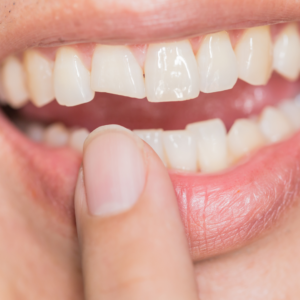
- Cracked teeth or broken fillings
According to the NHS, stress and anxiety are among the most common causes of teeth grinding, and many sufferers are unaware they have the condition until symptoms appear.
Poor Sleep Can Increase Teeth Grinding
Sleep and stress are closely linked. Poor sleep can increase stress levels, while stress itself can disrupt sleep quality.
This creates a cycle that can worsen teeth grinding and jaw tension over time.
People who experience:
- Frequent waking during the night
- Sleep disorders
- High stress levels
- Irregular sleeping patterns
may be more likely to clench or grind their teeth during sleep.
Because this happens unconsciously, the damage often accumulates slowly over months or years.

Stress Can Affect Your Gums Too
Stress doesn’t just affect the teeth themselves. It can also influence gum health.
Research suggests that chronic stress may weaken the body’s immune response, making it harder to fight inflammation and infection. This can increase the risk of:
- Bleeding gums
- Gum disease
- Slow healing after treatment
- Persistent bad breath
Stress can also lead to changes in daily routines. When life becomes busy or overwhelming, oral hygiene habits are often one of the first things to slip.
The British Dental Association explains that stress may contribute to gum problems through both physical and behavioural factors.
Dry Mouth and Increased Risk of Decay
Stress, anxiety and certain medications can reduce saliva production, leading to dry mouth.
Saliva plays an important role in protecting teeth by:
- Washing away food particles
- Neutralising harmful acids
- Helping to prevent tooth decay
Without enough saliva, teeth become more vulnerable to cavities and bad breath.
If you frequently wake up with a dry mouth or notice persistent dryness during the day, it’s worth discussing this with your dentist.
Stress Can Lead to Unhealthy Habits
When people are under pressure, it’s common for habits to change.
Some common behaviours that may affect oral health include:
- Increased snacking on sugary foods
- Drinking more coffee or acidic drinks
- Smoking
- Skipping brushing or flossing
- Nail biting or chewing hard objects
While these habits may seem harmless, over time they can contribute to tooth wear, decay and gum problems.
The Hidden Damage Caused by Teeth Grinding
Because grinding usually occurs at night, many patients are unaware of the amount of pressure being placed on their teeth.
Over time, untreated grinding can lead to:
- Cracked teeth
- Worn enamel
- Tooth sensitivity
- Broken fillings
- Jaw joint problems (TMJ disorders)
- The need for crowns or more extensive treatment
Early diagnosis can often prevent significant damage and help preserve your natural teeth.

What Can Be Done?
The good news is that stress-related dental problems can often be managed successfully.
Helpful strategies include:
- Maintaining a regular sleep routine
- Finding healthy ways to manage stress
- Limiting caffeine and alcohol before bed
- Attending regular dental check-ups
- Seeking treatment early if symptoms develop
If teeth grinding is causing damage, we may recommend a custom-made night guard to help protect your teeth while you sleep.
Why Early Intervention Matters
Many people assume that occasional headaches or jaw tension are simply part of modern life. However, these symptoms can be warning signs that your teeth are under strain.
Identifying problems early can help prevent:
- Cracked teeth
- Tooth wear
- Chronic jaw pain
- More complex and costly treatment later on
Regular examinations allow us to detect signs of grinding and wear before they become serious.
Stress and poor sleep affect far more than your mood or energy levels. They can have a significant impact on your teeth, gums and jaw health, often in ways that aren’t immediately obvious.
From teeth grinding and headaches to gum inflammation and dry mouth, the effects can build gradually over time. The good news is that with early intervention and the right support, these problems can often be managed effectively.
At Talbot Dental, we understand that oral health is closely linked to overall wellbeing. If you’ve been waking up with headaches, noticing jaw tension or experiencing tooth sensitivity, it’s worth getting things checked before small problems become bigger ones.
If you’re experiencing headaches, jaw pain, tooth sensitivity or think you may be grinding your teeth at night, call us today to arrange an appointment. Our team can help identify the cause and protect your smile for the future.