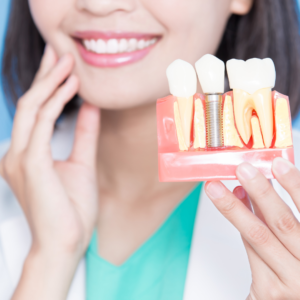
Dental implants are one of the most reliable and long-lasting ways to replace missing teeth. They look, feel and function much like natural teeth, allowing you to eat, smile and speak with confidence.
However, while dental implants can’t develop cavities, they still require regular care. The gums and bone supporting an implant are just as important as the implant itself, and neglecting your oral hygiene can lead to complications that affect its long-term success.
At Talbot Dental, we want every patient to enjoy the benefits of their dental implants for as long as possible. In this guide, we’ll explain how to care for dental implants, why regular maintenance matters, and the simple habits that can help protect your investment for years to come.
Why Dental Implant Care Matters
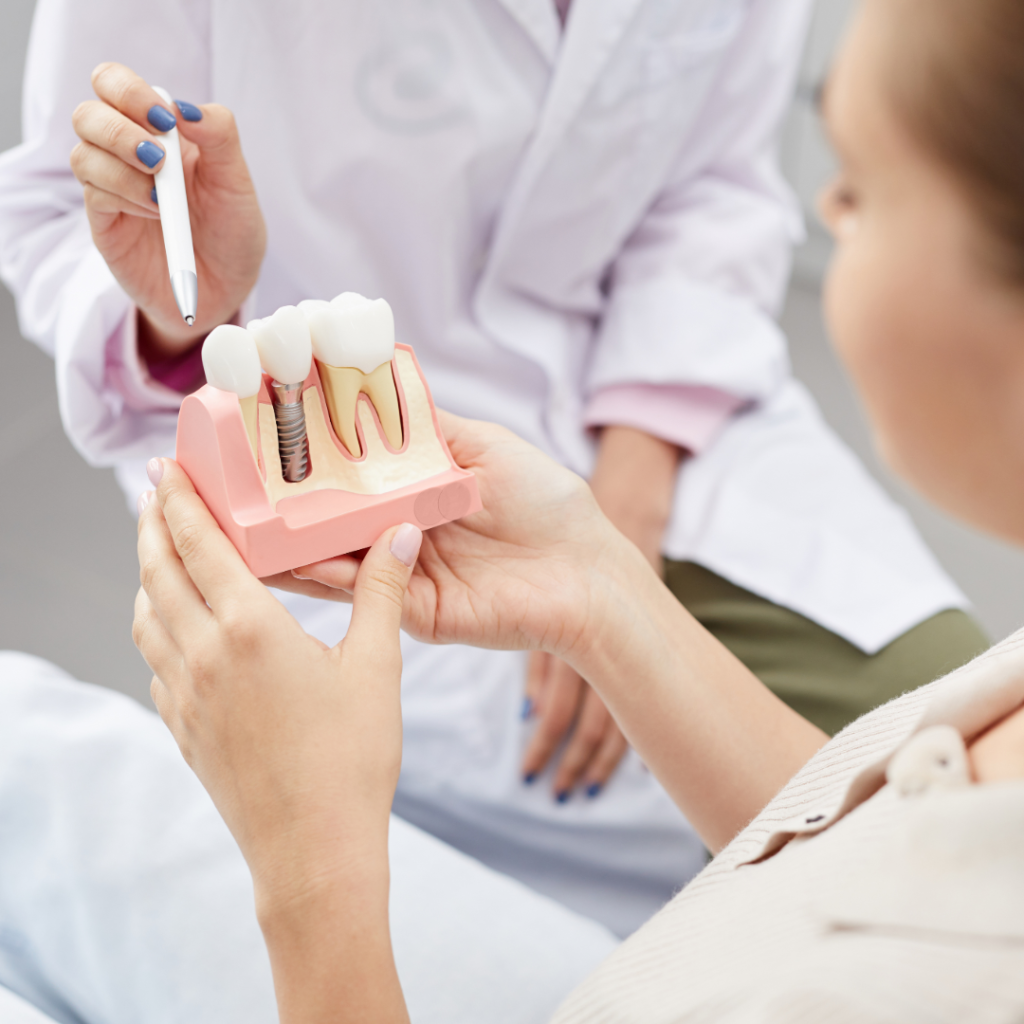
Dental implants are designed to become firmly integrated with your jawbone, providing a stable foundation for replacement teeth.
Although the implant itself is made from titanium and cannot decay, the surrounding gums remain vulnerable to inflammation and infection.
Without proper care, plaque can build up around the implant, increasing the risk of a condition known as peri-implant disease. If left untreated, this can damage the supporting bone and, in severe cases, lead to implant failure.
Good oral hygiene helps keep both your gums and your implant healthy.
Brush Your Implants Just Like Natural Teeth
One of the biggest misconceptions is that implants require less cleaning than natural teeth.
In reality, they should be brushed just as thoroughly.
We recommend:
- Brushing twice a day with a soft-bristled toothbrush.
- Using a fluoride toothpaste unless advised otherwise.
- Cleaning gently around the gum line.
- Replacing your toothbrush every three months.
Electric toothbrushes can also be an excellent option, as they help remove plaque effectively while being gentle on the gums.
Don't Forget to Clean Between Your Teeth
Plaque often builds up in the areas your toothbrush can’t reach.
Cleaning between your teeth every day helps remove bacteria and food debris from around your implant and neighbouring teeth.
Depending on your smile, we may recommend:
- Interdental brushes
- Dental floss designed for implants
- Water flossers
During your appointments, we’ll show you which technique works best for your individual implant.
Attend Regular Dental Check-Ups and Hygiene Appointments
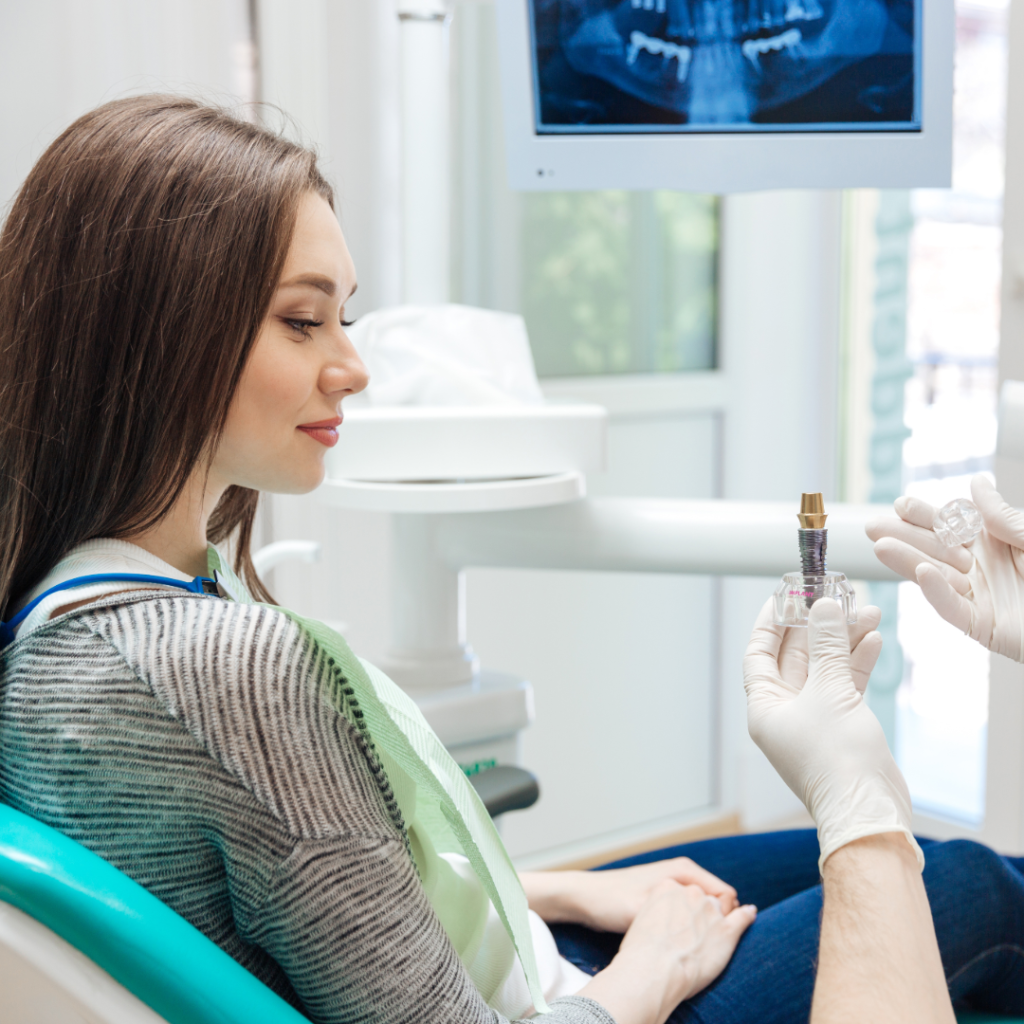
Even if your implant feels perfectly comfortable, routine appointments remain essential.
Regular check-ups allow us to:
- Assess the health of your gums.
- Monitor the stability of your implant.
- Detect any early signs of inflammation.
- Professionally remove plaque and tartar.
Professional cleaning is particularly important because hardened plaque cannot be removed at home.
If recommended, treatments such as Airflow can gently remove plaque and staining while helping maintain healthy implants.
Watch Out for Warning Signs
Dental implant problems are much easier to treat when identified early.
Contact your dentist if you notice:
- Bleeding around your implant.
- Swollen or tender gums.
- Persistent bad breath.
- Pain when chewing.
- An implant that feels loose.
These symptoms don’t always mean your implant is failing, but they should always be assessed promptly.
Healthy Habits Help Your Implant Last Longer
Looking after your overall health also supports your oral health.
Helpful habits include:
- Avoid smoking wherever possible.
- Eat a balanced diet.
- Drink plenty of water.
- Limit sugary snacks and drinks.
- Manage conditions such as diabetes with the support of your healthcare team.
Smoking is one of the biggest risk factors for implant complications because it slows healing and affects gum health.

Can Dental Implants Last a Lifetime?
Dental implants are designed to be a long-term solution.
Many implants remain successful for decades, and some can last a lifetime with appropriate care.
Their longevity depends on several factors, including:
- Daily oral hygiene.
- Regular dental visits.
- Gum health.
- Lifestyle habits.
- General health.
Think of an implant like a natural tooth—it still needs ongoing care to remain healthy.
Looking After the Crown Is Important Too
While the implant itself is incredibly durable, the crown attached to it can still experience normal wear over time.
Avoid using your teeth to:
- Open packaging.
- Bite hard objects such as ice.
- Crack nutshells.
Protecting the crown helps preserve both the restoration and the implant beneath it.
Dental implants are one of the most effective ways to restore your smile, but their long-term success depends on the care they receive after treatment.
Simple daily habits such as brushing, cleaning between your teeth and attending regular hygiene appointments can make a significant difference. Combined with routine check-ups, these steps help protect your gums, maintain your implant and keep your smile healthy for years to come. The British Dental Association also highlights the importance of maintaining excellent oral hygiene and attending regular dental check-ups to help support the long-term success of dental implants.
At Talbot Dental, we’re here to support you long after your treatment is complete, helping you enjoy the confidence and comfort that dental implants can provide.
If you have dental implants or are considering treatment, we’d be happy to help you keep your smile in excellent condition. Call us today to book a check-up or hygiene appointment with our experienced team.