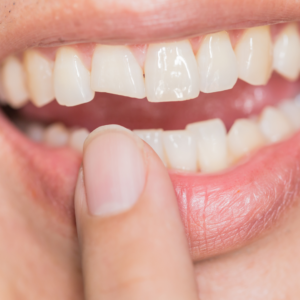

A cracked tooth is easy to underestimate — especially if it doesn’t hurt straight away. Many people continue eating, drinking and going about daily life assuming the problem is minor or will settle on its own.
Unfortunately, teeth do not heal in the way other parts of the body can. Even a small crack can worsen over time, particularly when placed under the constant pressure of chewing and grinding. What begins as a minor issue may eventually lead to pain, infection or even tooth loss if left untreated.
At Talbot Dental, we often see patients who delayed seeking advice because the crack “wasn’t bothering them” initially. In this article, we explain what happens when a cracked tooth is ignored, the warning signs to look out for, and why early treatment makes such a significant difference.
What Causes a Tooth to Crack?
Teeth are extremely strong, but they are not indestructible. Cracks can develop for several reasons, sometimes gradually and sometimes suddenly.
Common causes include:
- Biting hard foods or ice
- Teeth grinding or clenching
- Trauma or accidents
- Large fillings weakening the tooth structure
- Natural wear over time
Some cracks are immediately visible, while others are tiny and difficult to detect without a professional examination.
Not All Cracks Cause Immediate Pain
One of the main reasons cracked teeth are ignored is because symptoms are often inconsistent at first.
You may notice:
- Sharp pain when biting
- Sensitivity to hot or cold
- Discomfort that comes and goes
- A rough edge on the tooth
- No symptoms at all
Pain often occurs because the crack slightly separates under pressure, irritating the inner part of the tooth. As the crack deepens, symptoms typically become more frequent and severe.
Cracks Tend to Worsen Over Time
Unlike a chipped nail or small cut, a cracked tooth cannot repair itself naturally.
Everyday chewing places repeated stress on the weakened structure, causing the crack to spread further. Over time, this can lead to:
- Larger fractures
- Pieces of the tooth breaking away
- Damage reaching the tooth nerve
- Increased risk of infection
The earlier a crack is treated, the more tooth structure can usually be preserved.
What Happens If the Nerve Becomes Affected?
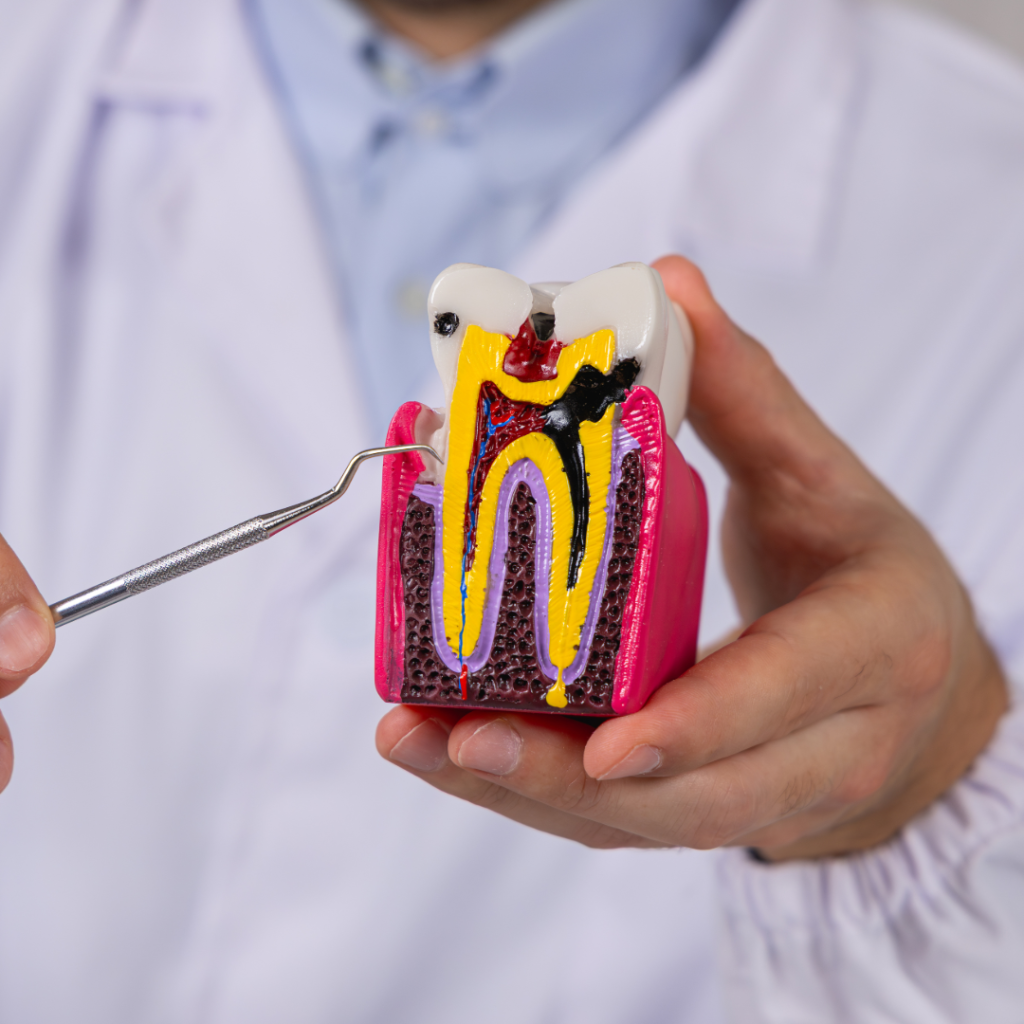
Inside every tooth is a soft tissue called the pulp, which contains nerves and blood vessels.
If a crack extends deeply enough to reach the pulp, bacteria can enter and cause inflammation or infection.
Signs the nerve may be affected include:
- Persistent toothache
- Throbbing pain
- Increased sensitivity
- Swelling around the tooth or gums
- Pain when chewing
At this stage, treatment becomes more complex and may involve root canal therapy or, in severe cases, extraction.
Ignoring a Cracked Tooth Can Lead to Tooth Loss
One of the biggest risks of delaying treatment is that the tooth may eventually become unrestorable.
If the crack extends below the gum line or splits the tooth vertically, saving it may no longer be possible. This can lead to:
- Tooth extraction
- The need for a bridge, denture or dental implant
- Changes in bite alignment
- Bone loss in the area over time
Early intervention dramatically improves the chances of preserving the natural tooth.
How Cracked Teeth Are Treated
Treatment depends on the size, location and depth of the crack.
Common treatment options include:
Composite Bonding
Suitable for small surface cracks or minor chips.
Dental Crowns
Crowns protect weakened teeth by covering and reinforcing the remaining structure.
Root Canal Treatment
Required if the nerve has become inflamed or infected.
Tooth Extraction
Only recommended when the crack is too severe to repair predictably.
The sooner the tooth is assessed, the more conservative treatment is likely to be.
When Should You Contact a Dentist?
It’s important not to wait for severe pain before seeking advice.
You should contact a dentist if you notice:
- Sudden sensitivity
- Pain when biting
- A chipped or cracked edge
- Swelling or discomfort
- Any visible fracture in a tooth
Even if symptoms are mild, assessment allows us to monitor or treat the issue before it worsens.
Can Cracked Teeth Be Prevented?
While accidents can’t always be avoided, certain habits help reduce the risk of cracks developing.
Preventive measures include:
- Wearing a mouthguard if you grind your teeth
- Avoiding chewing ice or very hard foods
- Attending regular dental check-ups
- Treating weakened or heavily filled teeth early
Preventive care plays an important role in protecting teeth from long-term structural damage.
A cracked tooth may not seem urgent at first, but delaying treatment can allow a manageable problem to become far more serious. Cracks often worsen gradually, leading to pain, infection and sometimes tooth loss.
The good news is that early assessment and treatment can often preserve the tooth and prevent more invasive procedures later on.
At Talbot Dental, we focus on diagnosing problems early and protecting as much healthy tooth structure as possible. If you suspect a crack or have noticed new sensitivity or discomfort, it’s always worth getting it checked.
For further information check out British Dental Association.
If you think you may have a cracked tooth, call us today to arrange an appointment. Early treatment can help protect your tooth and prevent further complications.