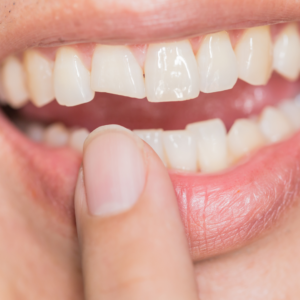
Most people view their smile purely in cosmetic terms — straight teeth, white enamel, a confident grin. But your mouth is often the first place your body signals that something isn’t quite right.
Bleeding gums, persistent bad breath, sensitivity or jaw discomfort are easy to dismiss, especially if they’re painless or come and go. Yet these subtle changes can indicate underlying oral health problems — and, in some cases, wider health concerns beyond the mouth.
At Talbot Dental, we often see patients who are surprised to learn that what they assumed was “normal” is actually their body asking for attention. In this article, we explore the overlooked health signals in your smile, what they can reveal about your overall wellbeing, and why early intervention makes such a meaningful difference. Understanding these signs empowers you to protect not just your teeth, but your long-term health too.

Why Your Smile Reflects More Than Oral Health
The mouth is a complex ecosystem, closely connected to the rest of the body through blood vessels and inflammatory pathways. When oral health is compromised, harmful bacteria and inflammation can spread beyond the gums and teeth.
Research consistently links poor oral health with conditions such as heart disease, diabetes and respiratory illness. According to the NHS, untreated gum disease is associated with increased systemic inflammation, which may contribute to wider health issues over time.
This is why dentists increasingly view oral health as part of holistic healthcare — not an isolated concern. Regular dental assessments allow us to spot early warning signs before they escalate into more serious problems.
Bleeding Gums: Not as Harmless as They Seem
One of the most common — and most overlooked — health signals is bleeding gums.
Many people assume bleeding during brushing or flossing means they’re being too rough. In reality, it’s often an early sign of gum inflammation, known as gingivitis.
What bleeding gums may indicate:
Plaque build-up along the gumline
Early-stage gum disease
Hormonal changes or stress
Poor interdental cleaning
If left untreated, gingivitis can progress into periodontal disease, which damages the structures supporting the teeth and can ultimately lead to tooth loss.
Professional hygiene treatment plays a crucial role in reversing early gum disease. You can learn more about this on our Hygiene and Gum Disease page.

Persistent Bad Breath and What It Can Reveal
Occasional bad breath is normal, particularly in the morning. Persistent bad breath, however, often points to an underlying issue.
Common causes include:
Gum disease
Tooth decay
Dry mouth
Old restorations trapping bacteria
Chronic halitosis isn’t just a social concern — it’s frequently linked to bacterial imbalance in the mouth. Addressing the cause rather than masking the symptom is key.
Professional cleaning methods such as Airflow can effectively remove bacteria and biofilm from hard-to-reach areas, improving both oral health and breath freshness.
Tooth Sensitivity: A Warning Sign, Not an Inconvenience
Sensitivity to hot, cold or sweet foods is often dismissed as a minor annoyance. In reality, it can signal several underlying issues.
Sensitivity may be caused by:
Enamel wear
Gum recession exposing tooth roots
Cracks or fractures
Tooth decay
Left unchecked, these issues can worsen, leading to more complex treatments such as crowns or root canal therapy. Early assessment allows us to stabilise the tooth and preserve its structure wherever possible.
If sensitivity has become part of your daily routine, it’s worth investigating rather than adapting to it.

Jaw Pain, Headaches and the Role of Your Bite
Jaw discomfort, clicking, or frequent headaches are often assumed to be stress-related — and while stress plays a role, oral factors are frequently involved.
Issues such as teeth grinding, misalignment, or an uneven bite can place strain on the jaw joint and surrounding muscles.
Signs your bite may be affecting your health:
Morning headaches
Jaw stiffness or clicking
Worn or flattened teeth
Facial tension
Treatments ranging from bite assessments to teeth straightening or restorative work can significantly reduce these symptoms, improving both comfort and quality of life.
Receding Gums and Ageing Smiles
Gum recession is not an inevitable part of ageing, although it becomes more common over time. When gums recede, teeth appear longer and more sensitive, and the roots become vulnerable.
Potential causes include:
Gum disease
Aggressive brushing
Teeth grinding
Orthodontic issues
Receding gums increase the risk of decay and tooth loss if not managed properly. Regular monitoring and tailored hygiene care help slow progression and protect exposed areas.

Why Early Intervention Matters
One of the most important messages we share with patients is that early treatment is almost always simpler, more comfortable and more cost-effective.
Small issues — a minor cavity, early gum inflammation, subtle alignment concerns — can often be resolved conservatively. When delayed, they may require more extensive procedures such as crowns, bridges or dental implants.
Preventive dentistry is about preserving what you already have. It allows us to focus on maintaining healthy teeth and gums rather than repairing damage after it occurs.
The Confidence–Health Connection
The signals in your smile don’t just affect physical health — they influence how you feel day to day.
People who are self-conscious about their teeth often:
Avoid smiling or speaking freely
Feel anxious in social or professional settings
Delay seeking care due to embarrassment
Addressing oral health concerns, whether functional or aesthetic, often has a positive impact on confidence and mental wellbeing. Treatments such as Invisalign, composite bonding or teeth whitening can be life-enhancing when approached thoughtfully and conservatively.
Conclusion
Your smile communicates far more than you might realise. Bleeding gums, sensitivity, bad breath or jaw discomfort are not minor inconveniences — they are valuable signals from your body.
By paying attention to these signs and seeking professional advice early, you protect not only your oral health but your wider wellbeing too. Dentistry today is proactive, preventative and centred around long-term health, not just short-term fixes.
At Talbot Dental, we believe that understanding your smile is the first step towards looking after it properly. If something doesn’t feel right, it’s always worth a conversation.
If you’ve noticed changes in your smile or it’s been a while since your last check-up, call us today to book an appointment. We’re here to help you stay healthy, comfortable and confident.
You can learn more about Gum disease at NHS. Click HERE
Frequently Asked Questions
What are early signs of poor oral health?
Bleeding gums, sensitivity, persistent bad breath, gum recession and jaw discomfort are common early indicators.
Can oral health issues affect overall health?
Yes. Gum disease and chronic oral inflammation have been linked to heart disease, diabetes and other systemic conditions.
Is bleeding when brushing normal?
No. Bleeding gums usually indicate inflammation and should be assessed by a dental professional.
How often should I see a dentist or hygienist?
Most patients benefit from check-ups every six months and hygiene visits every three to six months, depending on individual needs.
Can cosmetic treatments improve oral health?
In some cases, yes. Treatments such as teeth straightening can improve cleaning access and gum health alongside aesthetics.