Everyday Habits That Quietly Damage Your Teeth

We often think of dental problems as something that happens suddenly — a chipped tooth, unexpected sensitivity, or a persistent ache. In reality, many oral health issues develop slowly, fuelled by everyday habits we barely notice. These small behaviours can create long-term consequences, even for people who brush and floss regularly.

At Talbot Dental, we see how small lifestyle choices can quietly erode enamel, irritate gums, and impact long-term oral health. The good news? Once you understand the habits that cause damage, you can make simple changes that protect your smile for years to come.

In this article, we explore the everyday patterns that might be harming your teeth, explain why they matter, and share practical steps to keep your smile healthy between dental visits.

everyday habits

1. Snacking Throughout the Day

Mindless grazing — especially on sugary or starchy snacks — keeps your teeth under constant acid attack. Every time you eat, acids in your mouth rise and take around 30 minutes to neutralise. If you snack frequently, your teeth never get a break.

Why it’s an issue:

  • Frequent snacking weakens enamel.

  • Sugar fuels harmful bacteria.

  • Higher risk of cavities and gum issues.

Healthier alternatives:

  • Choose tooth-friendly snacks such as nuts, cheese, and crunchy vegetables.

  • Drink water between meals to help rinse the mouth.

  • Keep sweets to mealtimes when saliva production is higher.

2. Using Your Teeth as Tools

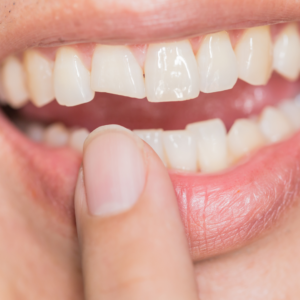
Opening packets, tearing tape, biting your nails — these habits may feel harmless, but they put enormous pressure on your teeth.

Risks include:

  • Cracks and chips

  • Worn edges

  • Jaw discomfort

  • Damaged restorations such as fillings or veneers

Consider keeping simple tools like scissors or a bottle opener nearby to avoid the temptation.

3. Overbrushing or Brushing Too Hard

Brushing is essential, but brushing aggressively can do more harm than good. Many patients believe harder brushing means cleaner teeth, but it often leads to enamel abrasion and gum recession.

What to do instead:

  • Use a soft-bristled toothbrush.

  • Apply light pressure — let the brush do the work.

  • Brush for two minutes, twice a day, using gentle circular motions.

4. Sipping Soft Drinks or Fruit Juices Slowly

A single fizzy drink consumed over an hour is more harmful than drinking it quickly. The prolonged exposure to sugar and acid wears down enamel.

Better habits:

  • Drink water alongside acidic drinks.

  • Use a straw to reduce contact with teeth.

  • Limit sugary beverages to occasional treats.

5. Grinding Your Teeth (Often Without Realising)

Teeth grinding or clenching can happen during sleep or stressful moments during the day. Many people don’t realise they’re doing it until they notice symptoms.

Signs include:

  • Morning headaches

  • Jaw tension

  • Flattened or chipped teeth

  • Ear or neck discomfort

If grinding is suspected, we can create a bespoke nightguard to protect your teeth.

6. Ignoring Early Warning Signs

A little bleeding when brushing or occasional sensitivity might seem minor, but these are early signs of gum disease or enamel wear.

What to watch for:

  • Bleeding gums

  • Sensitivity to hot or cold

  • Persistent bad breath

  • Receding gums

Early intervention prevents bigger problems later.

7. Chewing Ice or Very Hard Foods

Ice seems harmless — it’s just water. But the extreme hardness can crack teeth or damage fillings.

Safer options:

  • Drink cold water instead of chewing ice.

  • Choose softer snacks and avoid cracking hard shells with your teeth.

Quick Takeaways: Everyday Habits to Break

  • Avoid constant snacking.

  • Don’t use teeth as tools.

  • Brush gently with a soft-bristled brush.

  • Limit slow sipping of sugary drinks.

  • Seek help if you grind your teeth.

  • Don’t ignore early symptoms.

  • Skip chewing hard items like ice.

Conclusion

Everyday habits can have a surprisingly large impact on long-term oral health. By recognising the small behaviours that damage your teeth, you can protect your smile, reduce the risk of future treatment, and enjoy better comfort day to day.

At Talbot Dental, we’re here to support you in maintaining excellent oral health with personalised guidance and preventative care. If you’re worried that any of these habits may be affecting your teeth — or you simply want tailored advice — we’re happy to help.

Ready to take the next step towards healthier teeth?
Call us today to book your appointment or speak to our friendly team for guidance.

FAQs

What are the most common everyday habits that damage teeth?
Snacking frequently, brushing too hard, grinding your teeth, and using your teeth to open things are among the most common everyday habits that slowly harm your oral health.

Can brushing too often damage your teeth?
Brushing more than three times a day or brushing aggressively can wear down enamel and irritate the gums. Gentle, consistent brushing twice a day is ideal.

How does snacking affect my teeth?
Frequent snacking keeps the mouth acidic, weakening enamel and increasing the risk of cavities. Sticking to structured mealtimes helps protect your teeth.

Why is grinding my teeth dangerous?
Grinding puts excessive pressure on teeth and jaw joints, causing chips, cracks, sensitivity, and headaches. A custom-made nightguard can help protect your teeth while you sleep.

What are safe alternatives to harmful habits?
Use tools instead of your teeth, choose tooth-friendly snacks, drink water regularly, and use a soft-bristled toothbrush. Regular dental check-ups help catch problems early.

Read more

We're here to help

Address

Talbot Dental
1 Talbot House, Friars Avenue
Shenfield CM15 8JA
Opening Hours
Monday 9.00 am – 6.00 pm
Tuesday 9.00 am – 6.00 pm
Wednesday Closed
Thursday 2.00 pm – 8.00 pm
Friday 9.00 am – 5.00 pm
Saturday 9.00 am – 2.00 pm
Sunday Closed
CALL US: 01277 222 707 BOOK AN APPOINTMENT