When people think about dental hygiene appointments, they often picture a quick scale and polish — a cosmetic refresh that makes teeth feel cleaner and look brighter.
In reality, regular hygiene visits play a far greater role in protecting your oral and overall health than many people realise. Gum disease, inflammation and plaque build-up can develop quietly, without pain, gradually affecting not just your smile but your wider wellbeing.
At Talbot Dental, we view hygiene care as one of the most important parts of preventive dentistry. In this article, we explore why regular hygiene appointments matter more than you might think, what they actually prevent, and how they help you avoid more complex treatment in the future.
Hygiene Appointments Are About Health — Not Just Appearance
While professional cleaning certainly improves the look of your teeth, its primary purpose is clinical.
Plaque is a sticky film of bacteria that constantly forms on teeth. If not removed effectively, it hardens into tartar (calculus), which cannot be removed by brushing alone. Over time, this build-up irritates the gums and leads to inflammation.
Left untreated, this can cause:
Gingivitis (early gum disease)
Periodontitis (advanced gum disease)
Gum recession
Tooth mobility and eventual tooth loss
According to the NHS, gum disease is one of the most common causes of tooth loss in adults, yet it is largely preventable with good oral hygiene and professional care.
Regular hygiene appointments interrupt this cycle before damage occurs.
Gum Disease Often Develops Without Pain
One of the reasons hygiene care is underestimated is because gum disease rarely hurts in its early stages.
Many patients assume that:
Bleeding when brushing is normal
Mild bad breath is harmless
Slight gum recession is simply ageing
In reality, these are early warning signs.
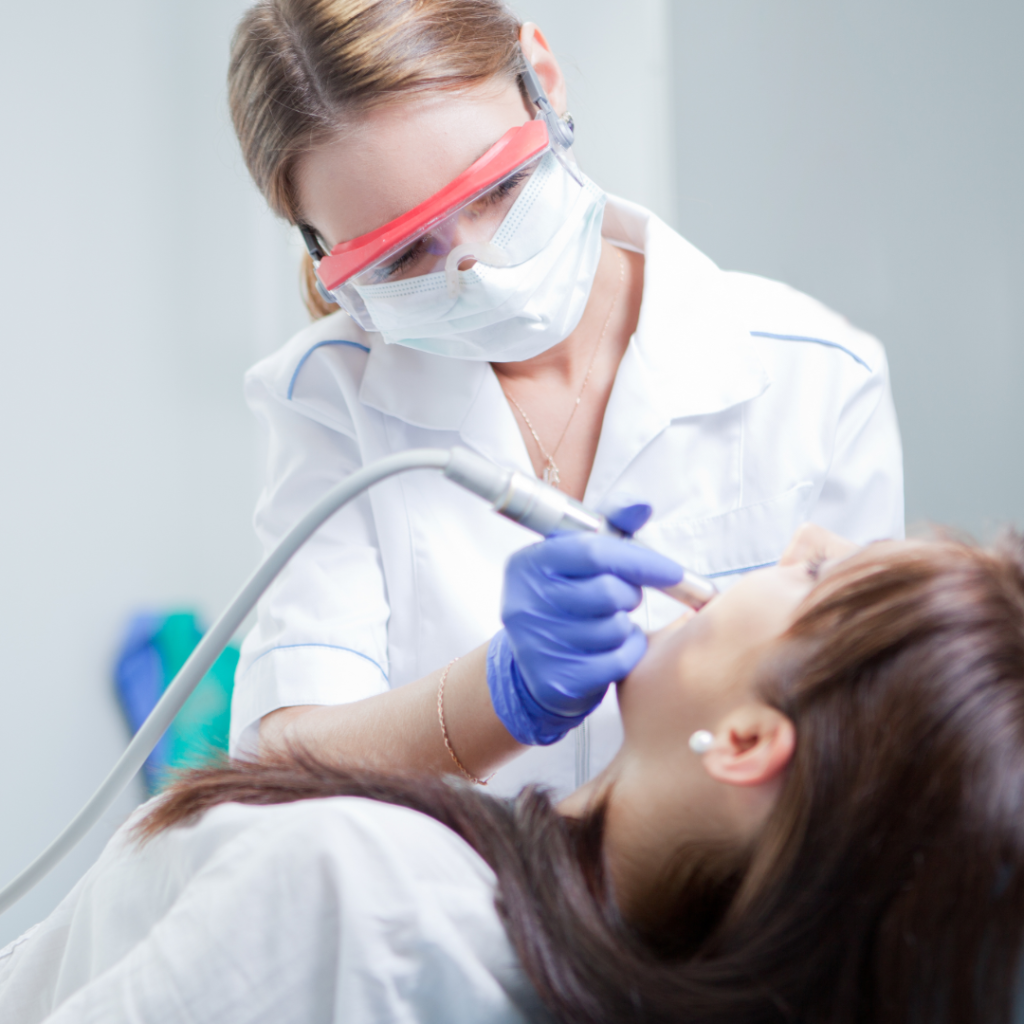
Professional hygienists are trained to detect subtle changes in gum health long before symptoms become severe. Early intervention can reverse gingivitis entirely and stabilise more advanced gum concerns before they progress further.
Professional Cleaning Reaches Where Brushing Cannot
Even the most diligent home routine cannot remove hardened tartar once it has formed. Additionally, certain areas are naturally more difficult to clean, including:
Between teeth
Around crowded or misaligned teeth
Behind lower front teeth
Around crowns, bridges or implants
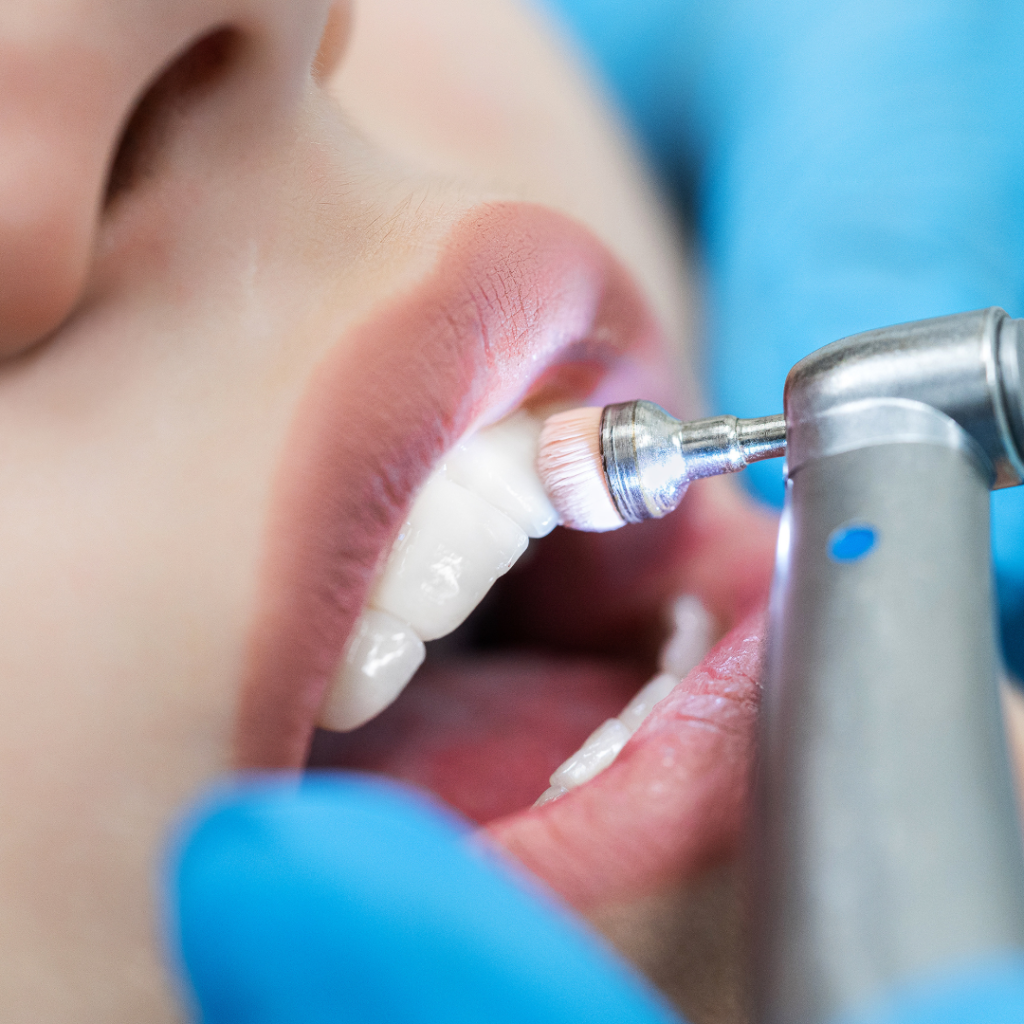
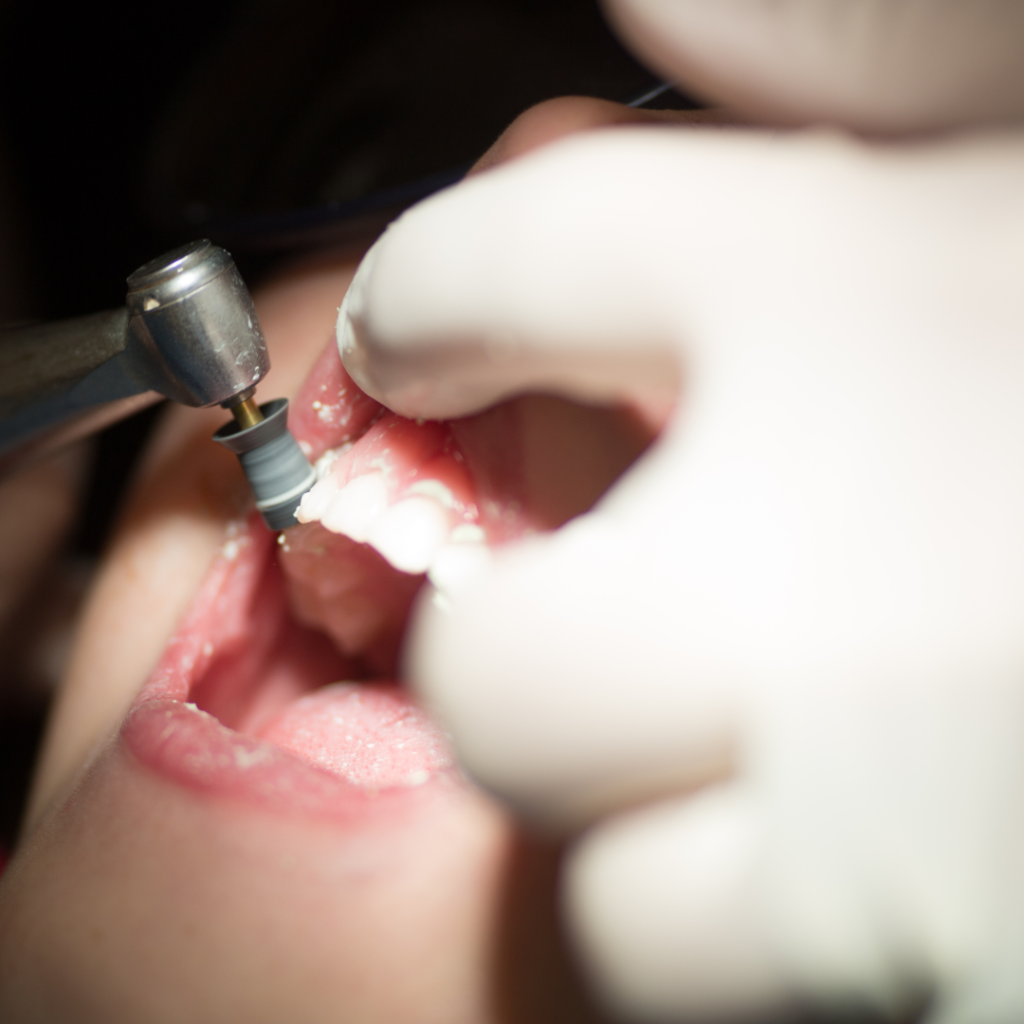
Modern techniques such as Airflow cleaning use a combination of air, water and fine powder to gently remove biofilm and surface staining, often more comfortably than traditional methods.
Professional cleaning not only removes deposits but also disrupts harmful bacteria that contribute to gum inflammation.
The Link Between Gum Health and Overall Health
The mouth is closely connected to the rest of the body through the bloodstream. Chronic gum inflammation has been associated with wider health concerns, including:
Cardiovascular disease
Diabetes complications
Respiratory conditions
While oral health alone does not cause these conditions, ongoing inflammation may contribute to systemic effects.
Maintaining healthy gums is therefore an important part of supporting general wellbeing — not just protecting teeth.
Regular Hygiene Can Prevent More Complex Treatment
One of the most significant benefits of routine hygiene care is prevention.
When plaque and inflammation are controlled:
Cavities are less likely to develop
Gum disease progression slows or stops
Dental implants last longer
Crowns and restorations remain healthier
Without preventive care, minor issues can escalate, leading to treatments such as root canal therapy, tooth extraction, bridges or implants.
In many cases, the cost and time involved in advanced treatment far exceed that of regular hygiene appointments.
How Often Should You See a Dental Hygienist?
There is no one-size-fits-all answer.
Most patients benefit from hygiene visits every three to six months. However, frequency depends on factors such as:
Gum health history
Smoking status
Diabetes or medical conditions
Orthodontic treatment
Previous periodontal treatment
At Talbot Dental, we tailor hygiene intervals to individual needs rather than applying a blanket recommendation.
What to Expect at a Hygiene Appointment
If it has been some time since your last visit, it’s natural to feel unsure. Modern hygiene care is designed to be as comfortable and thorough as possible.
A typical appointment may include:
Assessment of gum health
Removal of plaque and tartar
Stain removal
Advice on improving your home care routine
Personalised recommendations for products or techniques
Our focus is always on education and prevention — helping you maintain results between visits.
Hygiene Appointments and Confidence
Beyond health, regular hygiene care contributes to:
Fresher breath
Brighter teeth
Smoother tooth surfaces
Greater confidence when speaking or smiling
Many patients comment that their teeth feel noticeably cleaner and healthier after professional care — something that’s difficult to replicate at home.
Regular hygiene appointments are not simply cosmetic extras — they are a cornerstone of long-term oral health.
By removing plaque and tartar, monitoring gum health and preventing inflammation, professional hygiene care protects your teeth, gums and overall wellbeing. Most importantly, it helps you avoid more complex and invasive treatment later on.
At Talbot Dental, we believe prevention is always better than cure. A consistent hygiene routine, supported by professional care, keeps your smile healthy, comfortable and confident for years to come.
If it’s been a while since your last hygiene appointment, call us today to book your visit. Our team is here to help you protect your smile for the long term.