If you’re considering anti-wrinkle treatment for the first time, it’s completely normal to feel curious — and a little uncertain. For many people, the decision isn’t about dramatic change, but about softening lines, looking more refreshed, or simply feeling more like themselves.
Despite how common anti-wrinkle treatments have become, there’s still a lot of confusion around how they work, what results look like, and whether they’re right for you. Add to that outdated stereotypes and misinformation online, and it’s easy to feel hesitant.
At Talbot Dental, we believe that facial aesthetics should always start with understanding. In this article, we explain what anti-wrinkle treatments actually do, who they’re suitable for, what a first appointment involves, and how natural results are achieved. If you’re in the early stages of considering treatment, this guide is designed to help you make an informed, confident decision.

What Are Anti-Wrinkle Treatments — Really?
Anti-wrinkle treatments use carefully prescribed muscle-relaxing injections to soften the appearance of lines caused by repeated facial movement. These are often referred to as “expression lines” and typically develop in areas such as:
The forehead
Between the eyebrows (frown lines)
Around the eyes (crow’s feet)
Rather than “freezing” the face, modern anti-wrinkle treatments are designed to reduce excessive muscle activity while preserving natural expression. When administered correctly, the result is a rested, relaxed appearance — not a noticeable change in how you look or move.
The effects are temporary and typically last around three to four months, depending on individual factors such as muscle strength, metabolism and lifestyle.
Why People Choose Anti-Wrinkle Treatment
First-time patients often worry that choosing treatment means wanting to look younger at all costs. In reality, motivations are usually far more subtle.
Common reasons include:
Softening lines that make the face look tired or tense
Preventing deeper wrinkles from forming
Feeling more confident in professional or social settings
Wanting a fresher appearance without surgery
For many, anti-wrinkle treatment is part of a broader approach to self-care — similar to skincare, dental care or wellbeing routines.
Am I Too Young (or Too Old) for Anti-Wrinkle Treatment?
There’s no “right” age to start anti-wrinkle treatments. Suitability depends far more on muscle movement, skin quality and individual goals than on a number.
Some patients in their late 20s or early 30s choose treatment preventatively
Others start later, once lines become more established
A thorough consultation ensures treatment is appropriate for you — and just as importantly, identifies when it isn’t necessary. Responsible practitioners will always prioritise suitability over treatment.

What Happens at Your First Anti-Wrinkle Consultation?
Your first appointment should never feel rushed or transactional. It’s a medical consultation, not a beauty purchase.
A first consultation typically includes:
A discussion about your concerns and expectations
Assessment of facial movement and muscle strength
Review of your medical history
Explanation of treatment options and outcomes
Time to ask questions without pressure
At Talbot Dental, our dental and facial anatomy expertise allows for precise, conservative treatment planning — particularly important for first-time patients.
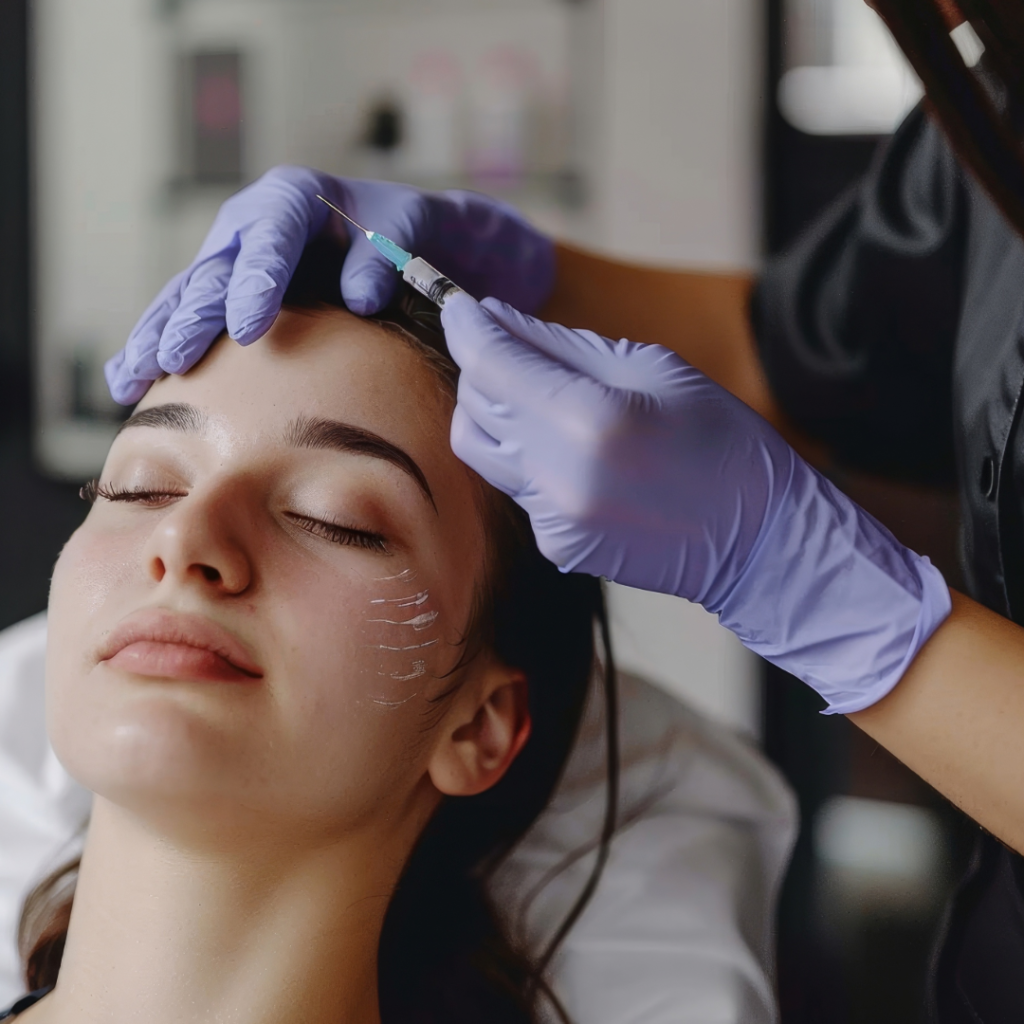
If treatment goes ahead, the procedure itself is quick, with minimal discomfort and no downtime for most people.
Will I Still Look Like Myself?
This is one of the most common concerns — and a very valid one.
When anti-wrinkle treatments are tailored properly:
Facial expressions remain natural
Movement is softened, not eliminated
Results are subtle and gradual
The aim is not to change your face, but to enhance how rested and relaxed it looks. Friends may notice you look well — without being able to pinpoint why.
Safety, Regulation and Choosing the Right Practitioner
Anti-wrinkle treatments are prescription-only medications in the UK, which means they should always be prescribed and administered responsibly.
When choosing a provider, it’s important to look for:
Medical or dental qualifications
In-depth knowledge of facial anatomy
A consultation-led approach
Conservative treatment philosophy
The NHS highlights the importance of choosing qualified practitioners for cosmetic procedures to minimise risks and complications. Safety should always come before aesthetics.
Aftercare and Results: What to Expect
Results begin to develop gradually over several days, with full effects visible at around two weeks.
After treatment, you may be advised to:
Avoid rubbing the treated area
Stay upright for several hours
Avoid strenuous exercise for 24 hours
Mild redness or tenderness at injection sites is normal and temporary.
A review appointment may be recommended to ensure the outcome is balanced and aligned with your expectations.
Anti-Wrinkle Treatment as Part of a Natural Approach
For many first-time patients, less really is more. Anti-wrinkle treatments work best when combined with:
Good skincare
Sun protection
Healthy lifestyle habits
They can also be paired with other facial aesthetic treatments over time, always with a focus on harmony rather than overcorrection.
Conclusion
Considering anti-wrinkle treatment for the first time is a personal decision — and one that deserves clear information, honest advice and professional care.
When approached thoughtfully, anti-wrinkle treatments can soften lines, enhance confidence and support a refreshed appearance without compromising natural expression. The key lies in choosing a qualified practitioner who understands both facial anatomy and individual goals.
At Talbot Dental, we take a measured, patient-first approach to facial aesthetics. Whether you decide to proceed or simply want advice, we’re here to guide you — not pressure you.
If you’re considering anti-wrinkle treatment for the first time and would like expert, honest guidance, call us today to book a consultation. We’re always happy to talk through your options.
Frequently Asked Questions
Is anti-wrinkle treatment painful?
Most patients describe only mild discomfort. The injections are quick and well tolerated.
How long do anti-wrinkle treatments last?
Results typically last three to four months, although this varies between individuals.
Will people be able to tell I’ve had treatment?
When done conservatively, most people simply look more rested rather than ‘treated’.
Is anti-wrinkle treatment safe?
When prescribed and administered by a qualified medical or dental professional, it is considered safe for suitable patients.
Can I stop treatment once I’ve started?
Yes. Treatments are temporary, and your muscles will gradually return to their natural movement if you choose not to continue.