Losing a tooth can feel like something you can live with — especially if it’s not immediately visible when you smile. Many people choose to delay treatment, assuming it’s mainly a cosmetic concern that can be addressed later if needed.
However, missing teeth affect far more than appearance. Even a single gap can have a gradual impact on your bite, surrounding teeth, and long-term oral health. These changes often happen slowly, which is why they’re easy to overlook at first.
At Talbot Dental, we regularly see patients who are surprised by how much a missing tooth has affected their smile over time. In this article, we explore why replacing missing teeth matters, what can happen if gaps are left untreated, and the options available to restore both function and confidence.
What Happens When a Tooth Is Missing?
When a tooth is lost, the surrounding structures begin to adapt — and not always in a positive way.
Common changes include:
- Adjacent teeth shifting into the gap
- Opposing teeth over-erupting (growing into the space)
- Changes in your bite alignment
- Increased pressure on remaining teeth
These changes may not be immediately noticeable, but over time they can lead to uneven wear, discomfort and difficulty cleaning certain areas.
The longer a gap is left, the more complex it can become to correct.
Bone Loss: The Hidden Impact of Missing Teeth
One of the most significant — and often overlooked — consequences of missing teeth is bone loss.
Teeth play an essential role in stimulating the jawbone. When a tooth is removed, that stimulation stops, and the bone in that area begins to shrink.
Over time, this can lead to:
- Reduced bone density
- Changes in facial structure
- A “sunken” appearance around the mouth
- Reduced support for neighbouring teeth
Bone loss can also affect future treatment options. For example, dental implants require sufficient bone to support them, so delaying replacement may limit suitability or require additional procedures.

The Effect on Your Bite and Everyday Function
Even a single missing tooth can affect how your teeth come together when you bite and chew.
You may begin to notice:
- Difficulty chewing certain foods
- Food trapping in the gap
- Increased wear on specific teeth
- Jaw discomfort or tension
Over time, an unbalanced bite can contribute to further dental issues, including cracked teeth or the need for more extensive restorative treatment.
Replacing missing teeth helps restore balance and function, making everyday activities more comfortable.
Confidence and the Way You Feel
While health and function are key, the emotional impact of missing teeth should not be underestimated.
Patients often report:
- Feeling self-conscious when smiling or speaking
- Avoiding certain foods or social situations
- A lack of confidence in professional settings
Restoring a missing tooth is not just about appearance — it can have a meaningful effect on how you feel day to day.
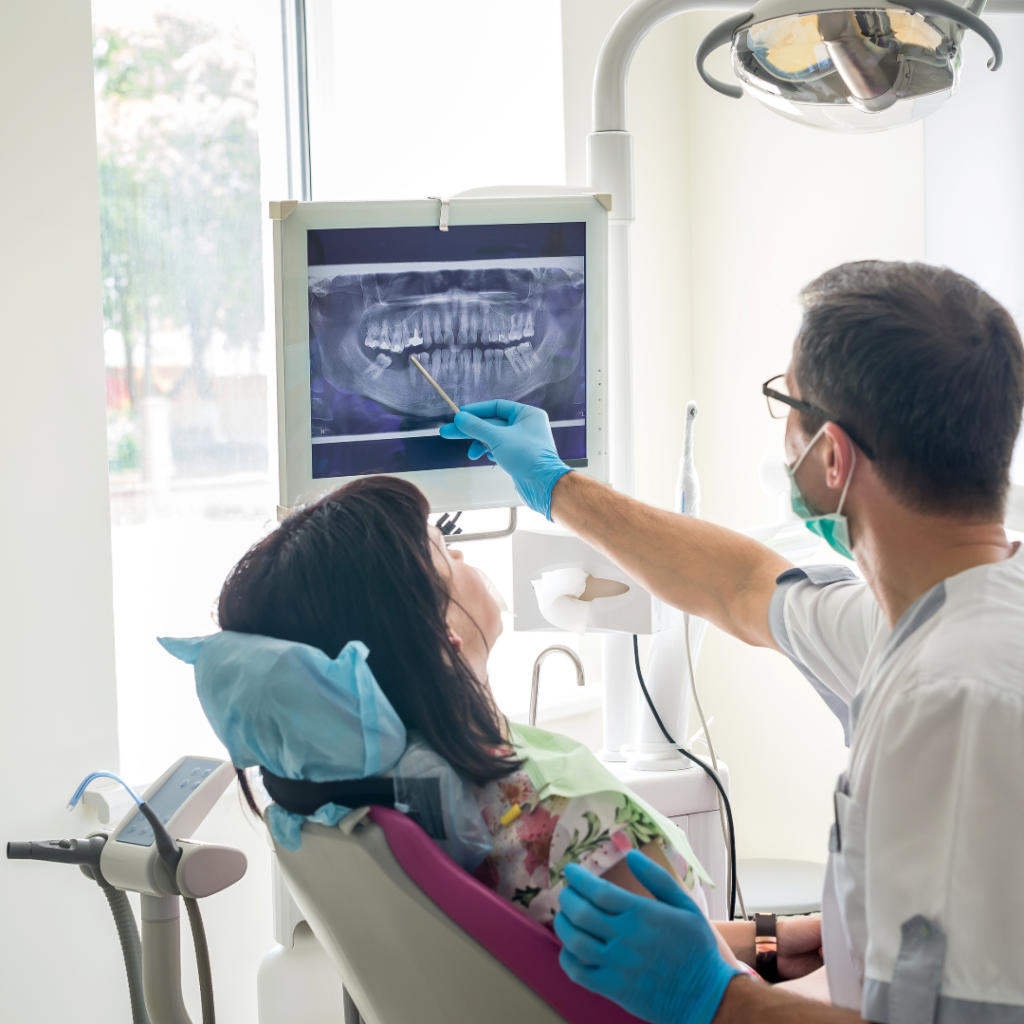
Options for Replacing Missing Teeth
Modern dentistry offers several reliable ways to replace missing teeth, depending on your needs and preferences.
Common options include:
Dental Implants
A long-term solution that replaces both the root and the visible part of the tooth. Implants help preserve bone and function like natural teeth.
Dental Bridges
A fixed solution that uses neighbouring teeth to support a replacement tooth, filling the gap effectively.
Dentures
Removable options that can replace one or multiple missing teeth, often used when several teeth are absent.
Each option has its own advantages, and the right choice depends on factors such as oral health, bone levels and personal priorities.
Why Early Replacement Makes a Difference
Timing plays an important role in successful tooth replacement.
Replacing a tooth sooner can:
- Prevent shifting of surrounding teeth
- Reduce bone loss
- Maintain natural bite alignment
- Simplify treatment planning
Delaying treatment doesn’t mean it’s too late — but early intervention often leads to more straightforward and predictable outcomes.
Prevention: Protecting Your Natural Teeth
While replacement options are highly effective, preserving your natural teeth is always the priority.
Simple habits can make a significant difference:
- Regular dental check-ups
- Consistent hygiene appointments
- Good home care (brushing and cleaning between teeth)
- Addressing small issues early
Preventive care reduces the likelihood of tooth loss and supports long-term oral health. You can learn more about maintaining healthy teeth and gums through guidance from organisations such as NHS or British Dental Association.
Conclusion
Missing teeth are more than a cosmetic concern. They can affect your bite, bone health, surrounding teeth and overall confidence — often in ways that develop gradually over time.
The good news is that modern dentistry offers effective, natural-looking solutions to restore both function and appearance. By addressing missing teeth early, you can prevent further complications and maintain a healthy, balanced smile.
At Talbot Dental, we take a personalised approach to tooth replacement, helping you understand your options and choose what’s right for you.
If you have a missing tooth or are considering your options, call us today to book a consultation. We’re here to help you restore your smile with confidence.
Frequently Asked Questions
Is it really necessary to replace a missing tooth?
Yes. Even one missing tooth can lead to shifting, bone loss and bite problems over time.
What is the best option for replacing a missing tooth?
Dental implants are often considered the most natural and long-lasting option, but the right choice depends on individual circumstances.
Can I leave a gap if it doesn’t bother me?
While it may not cause immediate issues, long-term effects such as bone loss and tooth movement are likely.
How long after losing a tooth should I replace it?
Ideally, as soon as possible to prevent bone loss and shifting. However, options are still available later on.
Are dental implants painful?
Most patients report minimal discomfort, and the procedure is carried out with effective anaesthesia.